Whether we’re concerned about connective tissue healing due to an injury recovery or simply for the purpose of getting stronger through regular training / exercise, it’s important to understand that different structures of the body heal at different rates.
Yes. Tendons generally take longer to heal than muscle because tendons have a lower blood supply and slower tissue turnover. Muscle injuries may improve within weeks, while tendon injuries often require several weeks to months, and severe tendon damage can take even longer to fully recover.
In this article, we’ll discuss how recovery times may change depending on your individual starting point, and provide some tips to heal more quickly and maintain connective tissue health moving forward.
Tendon vs muscle recovery time
As allued to above, the amount of healing time needed for healing depends largely on the severity of the damage, but as a general rule, tendons consistently require more time than muscles.
Here are some figures. Note that these are guidelines, and we recommend consulting with a medical professional (such as a physical therapist) if you want information tailored to your particular situation:
| Tissue | Mild Injury | Moderate Injury | Severe Injury |
|---|---|---|---|
| Muscle | Days to weeks | 4–8 weeks | Several months |
| Tendon | Several weeks | 2–6 months | 6–12+ months |
Individual healing rates vary considerably depending on age, overall health, activity level, and the specific tissue involved.
For example, every one of us has had the experience of a mild muscle strain or sprain while playing a sport. These minor injuries may improve within a few days, with the bulk of the recovery during the first couple weeks.
More moderate strains often take four to eight weeks, while severe muscle injuries can require several months.
Tendon injuries tend to follow a slower timeline. Mild cases may take several weeks, while more significant tendon injuries commonly require two to six months. Severe tendon tears and post-surgical recoveries can take six months to a year or longer.

Why tendons heal more slowly than muscle
There are several reasons why tendons generally heal more slowly than muscles.
1. Tendons have a much more limited blood supply
First, tendons have a much more limited blood supply. Blood flow is essential for delivering oxygen, nutrients, and other factors needed for tissue repair. Since muscles are highly vascular structures, they tend to recover more quickly after injury or strenuous activity.
2. Tendons are primarily made up of collagen fibers
Second, tendons are primarily made up of collagen fibers that require time to remodel and reorganize after being damaged. This process occurs much more slowly than the regeneration of muscle tissue.
Also note that it’s important to recognize that pain and healing are not always the same thing. Symptoms often improve long before the underlying tissue has fully recovered. Just because an injured tendon feels better doesn’t necessarily mean it has returned to full strength.
Injury recovery vs normal stress
One point we’d like to make is that we must distinguish between recovering from an injury and recovering from the normal stresses associated with exercise.
Most of us generally understand that strength training and other forms of physical activity create microscopic damage within both muscles and connective tissues. In this way a tendon or ligament recovering may simply mean waiting the requisite amount of time for the tendon to be capable of handling said stress again, thus making it stronger over time.
Muscles generally adapt fairly quickly to increased demands. Tendons, however, require a much longer time to increase their capacity. This discrepancy is one reason many people experience tendinopathies after rapidly increasing training volume or intensity.
In other words, your muscles may feel ready for more work before your tendons are fully prepared to tolerate it.
Recovery time variance between tendons and ligaments
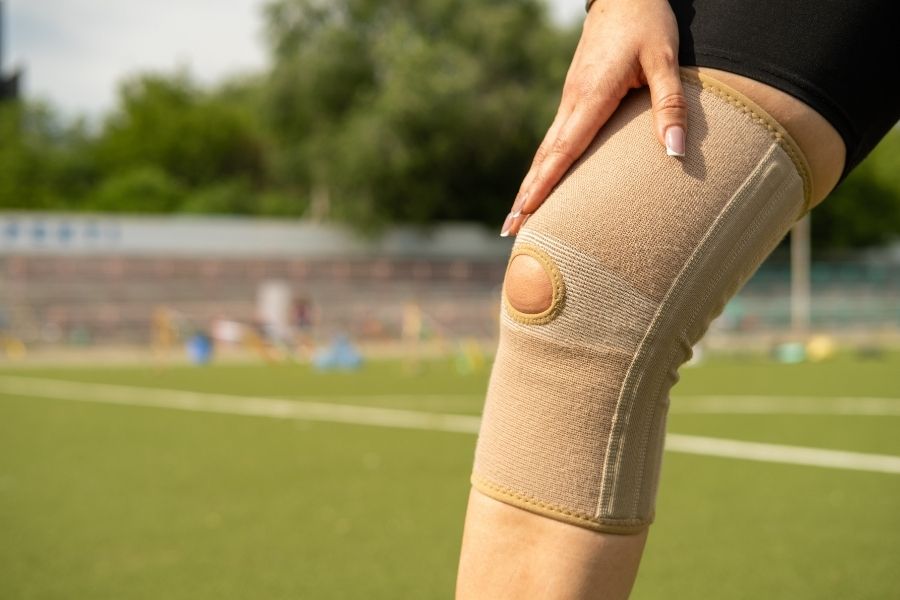
Ligaments and tendons are both connective tissues composed primarily of collagen, so their healing timelines are fairly similar.
However, ligaments often have an even poorer blood supply than tendons, which can make recovery especially slow. The location of the injury also plays a major role.
For example, ankle ligaments often heal reasonably well with conservative treatment. In contrast, structures such as the anterior cruciate ligament (ACL) have a limited ability to heal on their own and frequently require surgical reconstruction.
As with tendons, recovery from ligament injuries may take several months, and full return to activity often occurs long after symptoms have improved.
Recovery time variance based on location in the body
Not all tendons and muscles heal at the same rate. For example, the Achilles tendon has a relatively poor blood supply and is subjected to tremendous forces during walking and running. As a result, Achilles injuries are infamous for taking several months to recovery / rehabilitate.
Rotator cuff tendons can also be slow to recover due to limited blood flow and the repetitive demands placed on the shoulder. Similarly, patellar tendon problems are common among athletes involved in jumping and running sports, and symptoms may persist for months if loading is not managed appropriately.
By comparison, many muscle strains involving the calf, hamstrings, or quadriceps improve more quickly because muscle tissue is highly vascular and possesses a greater capacity for regeneration.
Factors that affect healing speed
Several factors influence how quickly tendons and muscles recover:
Age is one of the most significant variables, as tissue healing tends to slow over time. Certain medical conditions, including diabetes and vascular disease, can also impair recovery.
Lifestyle factors as well. Smoking has been shown to negatively affect blood flow and collagen production, both of which are essential for healing. Poor sleep, inadequate nutrition, and excessive stress can also interfere with recovery.
Perhaps most importantly, proper loading plays a major role. Tendons respond favorably to progressive exercise, while prolonged complete rest often delays recovery and contributes to further deconditioning.

Can you speed up the tendon healing process?
Unfortunately, there is no magic solution that dramatically accelerates tendon healing.
The most effective approach is usually a combination of relative rest and progressive loading.
The key is to know which phase you’re in: the rest or the progressive loading.
For some tendon injuries, the natural inclination of many patients is to begin stretching or exercising the injured area too early in the process. This approach typically makes recovery last longer, as we’re essentially aggravating the area at that point.
While on the one hand you can simply attempt to exercise good judgement, working with a physical therapy professional is the most straightforward path towards getting this part right.
Some other factors that affect how long tendons take to recover are:
- Adequate protein intake
- Good sleep habits
- Overall health optimization can also support recovery
- Some evidence suggests that collagen supplementation combined with vitamin C before exercise may help support collagen synthesis, although the research remains limited.
The key is to remain patient and avoid doing too much too soon. Tendons generally respond better to gradual, consistent loading than they do to prolonged inactivity or aggressive attempts to speed up the process.
Maintaining connective tissue health
While we can’t completely prevent injuries, there are several things we can do to support tendon and ligament health.
Progressive strength training remains one of the most effective strategies for maintaining healthy connective tissues. Gradually increasing loads allows tendons to adapt over time and tolerate higher levels of stress.
Avoiding sudden spikes in activity is equally important. Many overuse injuries occur when exercise volume or intensity increases faster than damaged tissues can adapt.
Prioritizing sleep, eating a balanced diet with adequate protein, and allowing sufficient recovery between workouts all contribute to long-term tissue health.
Ultimately, tendons are slower to adapt and slower to heal than muscles. Understanding this difference can help set realistic expectations during recovery and reduce the likelihood of developing chronic injuries in the future.