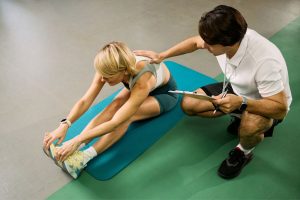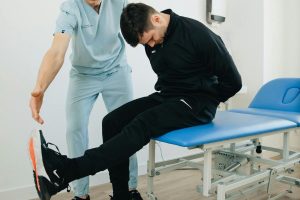
You’ve booked your first appointment, filled out your paperwork, and now you’re standing in front of your closet wondering what you’re supposed to wear. It’s a fair question. Physical therapy isn’t quite a doctor’s visit and it isn’t quite a gym session, so knowing what to wear to physical therapy isn’t always obvious.
Wear comfortable, loose or stretchy clothing that lets you move freely and lets your physical therapist easily see and reach the area being treated. Supportive athletic shoes are usually best. Think of it as dressing for a light workout, with a few adjustments depending on which body part you’re coming in for.
In this article, we’ll cover the basics, then go body part by body part, and finish with a few things to leave at home.
What to wear to physical therapy: the basics
Here’s a simple checklist that works for most appointments:
- Breathable, stretchy clothing. Athletic shirts, T-shirts, leggings, joggers, or athletic shorts.
- Layers. Clinics can feel cool when you arrive and warm once you’re moving.
- Supportive athletic shoes. Sneakers with a stable base are ideal.
- Socks. Especially if we may have you take your shoes off for a balance or foot assessment.
There’s no sense in overthinking it; if you’ve got a favorite pair of walking or running shoes, go ahead and wear them! We want you to be comfortable and able to move. If your everyday sneakers are worn flat, it may be time to replace them anyway.
Why your clothes matter at physical therapy
It might seem like a small detail, but what you wear affects how much we can get done in your session. During a typical visit, your physical therapist may watch how you walk, squat, reach, or bend, the same daily activities that often bring people in. We may need to feel the muscles and joints around the problem area or use hands-on techniques. And you’ll almost always do some exercise.
If your clothes restrict movement or cover the area we need to look at, we lose time working around them. Comfortable, appropriate clothing lets us focus on you. If you’re uneasy about discomfort, our page on does physical therapy hurt walks through what a visit typically feels like.
What to wear based on your injury
The area you’re being treated for changes the ideal outfit a bit.
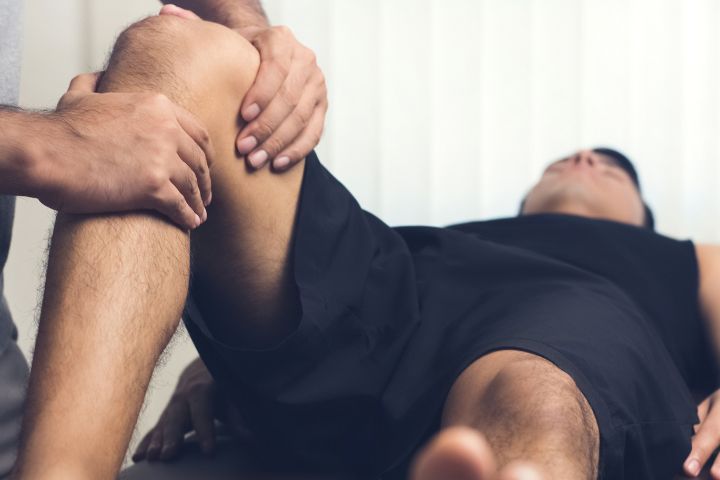
Knee, hip, ankle, or foot
Shorts or loose pants are your friend. For a foot or ankle problem, we may also ask you to take off your shoes and socks. If we need to see your knee move, check the swelling around your ankle, or watch your hip during a squat, long pants get in the way. If you prefer not to wear shorts in public, bring a pair to change into. Wear the shoes you walk in most often too, because how they support you is part of the picture.

Back or neck
Choose a T-shirt or tank top that lets us see your posture and reach your spine and shoulder blades. A fitted athletic top works better than a bulky sweatshirt. Pants with an elastic waistband make it easier to assess the low back and hips. If you have long hair, bringing a hair tie helps keep it off your neck and shoulders.

Shoulder, elbow, wrist, or hand
A tank top or a loose short-sleeved shirt lets us see and treat the shoulder blade and upper arm. Avoid wearing tight sleeves you can’t push up, and leave rings, watches, and bracelets at home if your hand or wrist is the problem.
After surgery
If you’re coming in after an operation, wear clothing that’s easy to get on and off over a brace, bandage, or sling. Button-up or zip-up tops and wide-leg shorts or pants are often easier. Our team works with braces and post-op restrictions every day.
What not to wear
A few items tend to cause trouble:
- Jeans and tight pants. They limit how far you can bend and make it hard to see the knee or hip.
- Dresses and skirts. They can make floor exercises and table work awkward.
- Sandals, flip-flops, or heels. They don’t give the support you need for exercise and balance work, so stick with closed-toe shoes.
- Lots of jewelry. It can get in the way of hands-on treatment and exercise equipment.
- Heavy perfume or cologne. You’ll be close to your therapist and other patients, and some people are sensitive to scents.
Physical therapy clothes for comfort and confidence
Feeling comfortable isn’t only about movement. Some people feel self-conscious about exposing a knee, a shoulder, or their back. That’s completely normal, and it comes up in many of the common questions we hear from new patients. Let your therapist know what you’re comfortable with. Bringing a change of clothes, wearing a tank under a looser shirt, or asking for a private treatment space are all reasonable options.
Staying active outside the clinic matters too. Your home exercise program and general activity both support recovery, and MedlinePlus has a helpful overview of exercise and physical fitness if you’re looking to build more movement into your week. The same clothes and shoes that work for PT will work for your home exercises. After a session, many people like to keep those same clothes on and go for an easy walk. Our article on what to do after a physical therapy session has a few more ideas for getting the most out of each visit.
A few other things to bring
While you’re planning your outfit, don’t forget:
- Your photo ID and insurance card.
- Any referral or prescription from your doctor, if you have one.
- A list of medications.
- A water bottle.
- Your completed new patient forms, which can save time at check-in.
The American Physical Therapy Association’s consumer site, ChoosePT, is also a good place to learn more about what physical therapists do and how to get the most out of your care.
What about your first visit?
Your first appointment usually includes more talking and testing than exercise, but you should still dress to move. We’ll ask about your history, then check your strength, range of motion, and how you move. You can read a full breakdown of what a physical therapy evaluation consists of.
Plan to arrive a few minutes early for your physical therapy appointment in comfortable loose fitting clothing. If you’re coming straight from work, bring a change of clothes and let the front desk know. Most clinics have a restroom or private space where you can switch.
The bottom line
When you’re deciding what to wear to physical therapy, think comfort, movement, and access. Choose stretchy, breathable clothing, supportive shoes, and an outfit that lets your therapist see and reach the area being treated. When in doubt, dress like you’re heading to a light workout, in the same workout clothes you’d wear to the gym.