If you’ve ever seen a physical therapist glide a smooth, curved stainless steel tool along someone’s forearm or calf, you may have wondered what was going on. Chances are you were watching the Graston Technique, one of the best-known forms of instrument-assisted soft tissue mobilization.
Graston technique physical therapy uses stainless steel instruments to apply pressure along muscles, tendons, and fascia. It can reduce pain and improve short-term range of motion, and it works best alongside exercise.
In this article, we’ll explain how Graston works, who it might help, how well it tends to work, and what a session feels like.
What is the Graston Technique?
The Graston Technique is a branded form of instrument-assisted soft tissue mobilization, often shortened to IASTM. Instead of using only their hands, the therapist uses a set of instruments with beveled edges designed to glide over the skin. The instruments let the therapist apply focused pressure and feel changes in tissue texture as they work.
Clinicians typically use IASTM to:
- Address areas of tightness, scar tissue, or tenderness in muscle and fascia
- Treat irritated or overloaded tendons and help calm local inflammation
- Improve range of motion before exercise
- Help patients move more comfortably so they can do the rest of their rehab
Graston sits alongside other hands-on manual therapy approaches we use to help people move better.

How does it work?
The honest answer is that nobody knows exactly how instrument-assisted techniques produce their effects. Theories include changes in how the nervous system perceives the area, increased local blood flow, and effects on the tissue itself. What we can say is that many patients report reduced pain and easier movement after treatment, which can open a window to exercise more effectively.
That last part is key. Graston isn’t meant to “fix” an injury by itself. The lasting changes come from loading and strengthening the connective tissue over time.
Does Graston actually work?
In our clinic, most patients tell us instrument-assisted work helps with pain and range of motion, and we usually see the best results when we pair it with active rehab. Its effect on everyday function is more mixed, which is why we never rely on it alone.
For back pain, many of our patients report less low and mid-back soreness after Graston. We can’t promise it will beat other hands-on treatments, so we treat it as one useful option among several.
Putting that together: Graston technique physical therapy appears to be a reasonable option for some people, especially when it’s paired with exercise, but it isn’t a miracle tool. We use it when we think it will help you move and load the tissue better, not as a stand-alone treatment.
Who might benefit?
We may consider IASTM for people dealing with:
- Tendon pain, such as tennis elbow or Achilles tendon pain (see: is physical therapy needed for tendonitis)
- Plantar heel pain
- Muscle tightness that limits motion
- Some types of neck, mid-back, or low back pain
- Lingering stiffness after an injury
It’s not right for everyone. We avoid or modify it over open wounds, areas of active infection, fragile skin, recent fractures, and certain vascular conditions, and we’ll talk with you about medications such as blood thinners that may make bruising more likely.
What does a Graston session feel like?
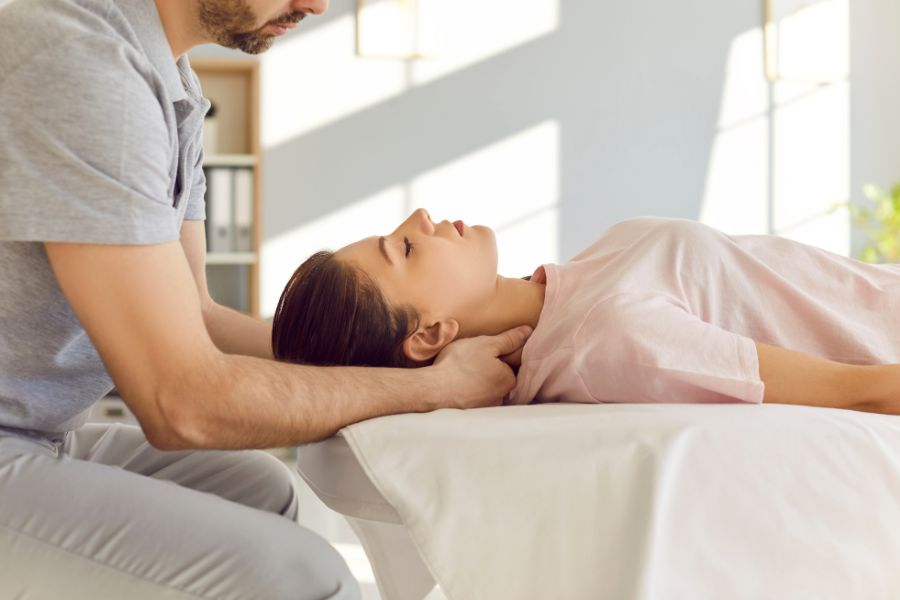
Most sessions start with a brief warm-up, like light exercise or heat. Your therapist applies a small amount of lotion and then glides the instrument over the area using different strokes and angles.
You’ll feel pressure and, sometimes, a scraping sensation. It can be mildly uncomfortable over sensitive areas, but it shouldn’t be unbearable. Let your therapist know if you want more or less pressure.
Afterward, the skin often looks pink. Some people notice mild soreness or small red spots, and occasionally bruising, for a day or two. Treatment is usually followed by stretching or strengthening exercises to take advantage of the new range of motion. You can also use simple tools at home between visits; our article on whether self-massage tools work covers what helps and what’s mostly hype.
How many sessions will I need?
It depends on your condition, your goals, and how you respond. IASTM is often used for a portion of a visit over a series of sessions, while the exercise program continues to build. If it isn’t helping, we’ll adjust the plan.

Graston vs. other hands-on treatments
Graston is one tool among many. Patients often ask how it compares to massage, foam rolling, or dry needling, and the honest answer is that they overlap more than they differ.
All of them aim to calm sensitive tissue and make movement easier for a while. The difference is mostly in the tool and how precisely we can target an area. A steel instrument lets a therapist feel texture changes in the tissue and work along a tendon without tiring out their hands.
If you’re curious about the bigger picture, we compare manual therapy to massage therapy.
Whatever the tool, the window of easier movement is the point. That’s when exercise does its best work.
Graston technique physical therapy is a hands-on tool that can help reduce pain and improve motion for some soft tissue problems. It’s a promising tool, and it works best as part of an active rehab plan that builds strength and resilience.