Hearing the words “bone spur” can sound alarming. Many people picture a sharp spike of bone digging into their joint. The reality is usually less dramatic, and the good news is that most bone spurs don’t need surgery.
Bone spur physical therapy reduces pain and stiffness by improving joint mobility, strengthening surrounding muscles, and easing pressure on irritated tissue. Most bone spurs do not need surgery, and many cause no symptoms.
In this article, we’ll explain what bone spurs are, why they sometimes hurt, and what physical therapy for bone spurs looks like.
What bone spur physical therapy looks like
1. First, a careful evaluation
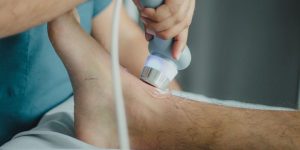
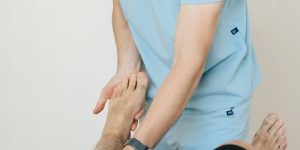
We start by understanding where your pain is, what makes it worse, and how it affects your day. During your physical therapy evaluation, we will assess your joint motion, strength, balance, and movement patterns. Imaging from your doctor can help, but we treat the person, not just the X-ray. Our physical therapist begins with a physical exam.
2. Work to restore motion
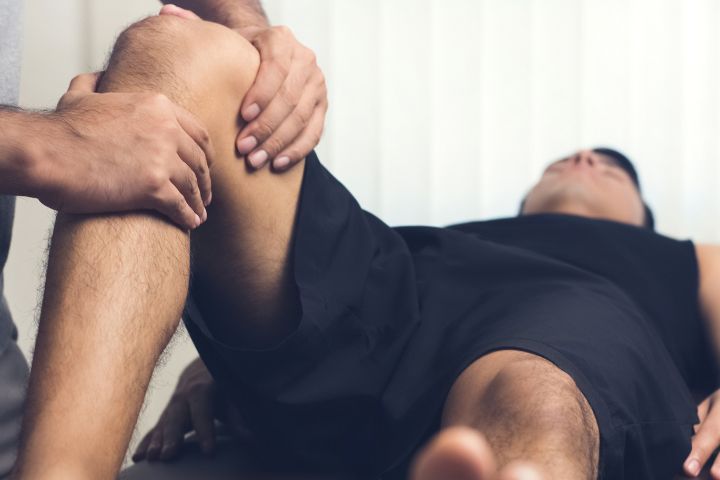
Gentle mobility exercises and hands-on techniques help loosen stiff joints and the tissues around them. Better motion often means less pressure on irritated areas. This keeps your bones and joints moving well.
3. Strengthen the area
Strong muscles act like shock absorbers. Depending on the location of your spur, that might mean strengthening your calf and foot muscles, your hip and thigh muscles, your core, or your rotator cuff and shoulder blade muscles.
4. Reduce irritation
We may recommend changes to how you do certain activities, suggest supportive footwear, or help you modify your workouts so you can stay active while symptoms settle. Heat, ice, and other modalities can help with comfort.
5. Build a long-term plan
Bone spurs are often related to arthritis, which is a long-term condition. Your recovery doesn’t end when physical therapy does. We’ll send you off with a specific home exercise program, which helps you keep the progress you make in therapy and manage flare-ups on your own.
What is a bone spur?
A bone spur, or osteophyte, is a smooth, bony growth that forms along the edges of bones, often where they meet in a joint. In our experience, bone spurs commonly develop with osteoarthritis and age-related wear, and they can form in the spine, shoulders, hands, hips, knees, and feet. Spur development is usually slow and often follows years of wear and tear.
Many bone spurs cause no symptoms at all. Lots of people have them on X-rays without ever knowing. When they do cause problems, it’s usually because they limit joint motion, rub against nearby tissues, or are part of a joint that’s already irritated by arthritis. Bone spurs include many that never hurt, and bone spur pain tends to come from irritated tissue.
Why bone spurs hurt (and why some don’t)
The spur itself isn’t always the source of pain. Often, the pain comes from:
- Inflammation and irritation of the joint
- Tight or overloaded tendons and soft tissues nearby
- Stiffness that changes how you move
- Pressure on a nerve, in some cases in the spine
That’s why two people with similar-looking spurs on an X-ray can have very different symptoms. It’s also why treatment focuses on the whole joint and how you move, not just the bump of bone.

Heel spurs and plantar heel pain
Heel spurs are a good example. They’re often found alongside plantar fasciitis, but in our experience the heel pain usually comes from the plantar fascia rather than the spur itself. Treatment generally focuses on the soft tissue, not removing the spur.
For this kind of heel pain, we use stretching, strengthening, manual therapy, and footwear advice, the same approach used for how to fix plantar fasciitis.

Common bone spur locations and how PT helps
- Heel: calf and foot stretching and strengthening, footwear guidance, and load management for walking and standing.
- Spine: posture and core strengthening, mobility work, and strategies for sitting and sleeping more comfortably.
- Knee and hip: strengthening the muscles that support the joint, balance training, and low-impact conditioning, plus protecting your hip joint over the long term.
- Shoulder: rotator cuff and shoulder blade strengthening, plus range-of-motion work.
When surgery might be considered
Surgery for bone spurs is usually reserved for cases where conservative treatment hasn’t helped and the spur is clearly causing significant symptoms, such as pressure on a nerve in the spine or a major block to joint motion. Even then, physical therapy is often part of recovery. Surgical removal is rarely our first step, and physical therapy instead of surgery is a realistic first path for many people.
See a doctor promptly if you have numbness, tingling, or weakness in your arms or legs, loss of bladder or bowel control, or severe pain that keeps getting worse.
Can you prevent bone spurs?
You can’t always stop a bone spur from forming, since age and genetics play a big role. But you can lower the stress that tends to drive them, and you can keep the joints around them moving well.
- Stay active. Regular movement keeps joints nourished and muscles strong.
- Build strength. Strong muscles share the load that would otherwise land on the joint.
- Manage body weight. Every extra pound adds force to your knees, hips, and feet.
- Wear supportive shoes. This matters most for heel spurs.
None of this means you have to give up the things you enjoy. Most people with bone spurs keep walking, golfing, gardening, and working. The goal of therapy is to help you do those things with less pain, not to wrap you in bubble wrap. In our clinic, we adjust your plan to your activity levels, and we avoid long periods of rest.
A bone spur on your X-ray doesn’t have to mean a lifetime of pain or a trip to the operating room. Bone spur physical therapy focuses on the things you can change: motion, strength, and how you load your joints. For many people, that’s enough to get back to walking, working, and playing comfortably.